
CS2 Case RTP: How We Choose and Verify Fair Cases


Opening CS2 cases requires understanding CS2 case RTP and house edge. Many platforms advertise “high RTP” and “fair odds,” but few show the real numbers or let players verify them.
Monthly CS2 Case RTP Reports (Comparison Table)
We research CS2 case RTP on a monthly basis, analyze drop chances, skin values, and case composition, and compare cases to identify the most fair and verifiable options. Below you can see a consolidated table with RTP data and links to detailed monthly digests.
Month (2026) | Monthly Digest | |||||
|---|---|---|---|---|---|---|
April | 90.05% | 87.54% | 87.08% | 86.14% | 86.55% | |
March | 90.0% | 89.2% | 87.3% | 87.0% | 86.7% | |
February | 90.0% | 89.2% | 86.6% | 85.5% | 86.8% |
What Is CS2 Case RTP and Why It Matters
RTP (Return to Player) is a key metric indicating the average amount of money a player can expect to receive back from a case in CS2.
Expressed as a percentage — higher RTP means higher potential returns.
RTP is calculated on a 1mln+ rolls, not guaranteed on a single pull.
Understanding RTP helps make informed choices and reduce losses.
Example:
A $10 case with RTP = 90% means that, on average, players can get $9 back in skins.
House Edge is the opposite of RTP:
House Edge = 100% - RTP. So a case with 90% RTP has a 10% house edge.
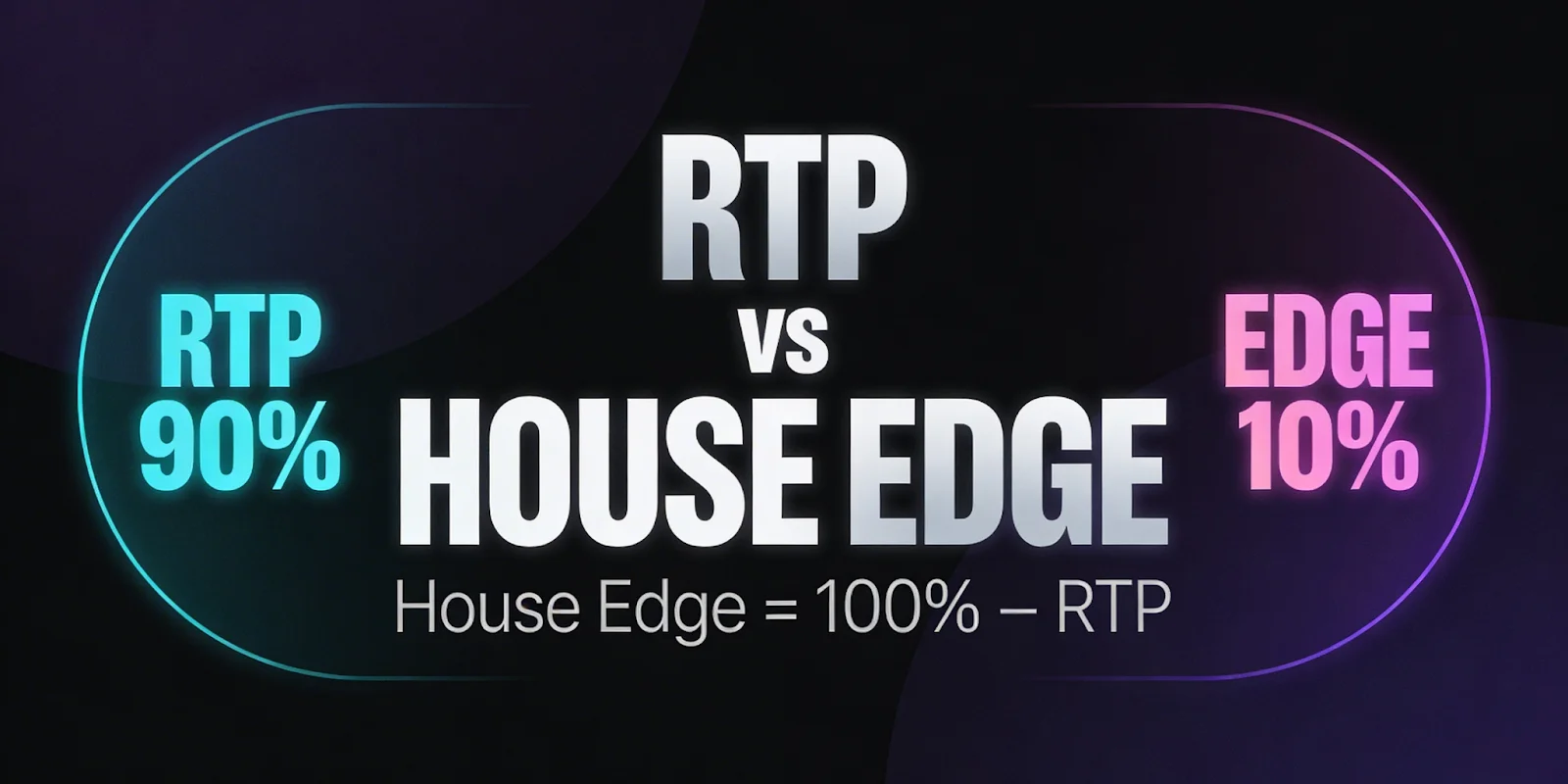
Important: By understanding RTP and House Edge, a player can make more informed case selections and reduce the risk of losses.
Theoretical RTP vs Real Player Experience
RTP is a long-term statistical expectation
Short-term variance can be significant
High-volatility cases may feel worse than their RTP suggest
Sample size matters: outcomes vary dramatically in small sessions.
Understanding this difference helps players set realistic expectations.
How to Assess CS2 Case Volatility
Volatility measures how much individual outcomes of a CS2 case can deviate from the theoretical RTP. Even a case with high RTP can have high volatility if it contains a few very rare, expensive skins and many low-value ones.
Understanding volatility helps players:
Compare risk profiles of different cases
Identify stable vs high-risk cases
Make informed choices based on personal preference
Key Factors Affecting CS2 Case Volatility
Number of Skins in a Case
Cases with fewer skins generally have lower volatility, because each skin represents a larger proportion of the total value.
Cases with 100+ skins often have higher volatility, as the larger number of items increases the variance between frequent low-value drops and the rare, high-value drops. This creates a wider range of possible outcomes, which can result in significant swings in what players win from the case.
Value Distribution of Skins
If most skins have similar values → lower volatility
If a few skins are extremely valuable → higher volatility
Drop Probabilities
Transparent drop rates allow accurate assessment of volatility.
Cases with hidden or unclear probabilities → difficult to judge risk.
Price Tier of the Case
Low-cost cases tend to have smaller absolute variance in returns.
High-value cases often have wider swings in potential outcomes.
Practical Tips for CS2 Players
1. Check RTP Before Opening a Case
Always verify the RTP of individual cases, not just site averages.
Prefer cases with transparent drop rates to ensure fairness.
Compare RTP across multiple platforms before deciding.
2. Pay Attention to Case Composition
Fewer skins generally mean lower volatility and more predictable value distribution.
Large cases with many skins can be less predictable, even if RTP is high.
Match your risk preference to the case type (low-cost vs high-value).
3. Match Cases to Your Bankroll and Play Style
Choose cases that match your bankroll, risk tolerance, and play style.
Low-cost cases → suitable for cautious players or small bankrolls.
High-value cases → higher volatility; only suitable if you’re comfortable with swings.
This approach helps stay in control and avoid overexposure.
4. Remember the Advantage Is Always on the Platform’s Side
CS2 cases are designed so that over the long term, the platform has the edge.
You might get a rare high-value skin in a short session, but statistically, the expected value is negative over many openings.
Never spend more than you’re willing to lose, and focus on understanding RTP, volatility, and case composition.
5. Use Promo Codes and Welcome Bonuses
Take advantage of promo codes and welcome bonuses offered by case-opening platforms. These bonuses can increase your starting balance and improve your effective value at the beginning.
Active promo codes are regularly updated on our Top Case Opening Sites 2026 page, where you can find current offers and platform comparisons.
How We Select CS2 Cases for Analysis
Our case selection process includes:
Monitoring social media discussions on platforms such as Reddit, Twitter, and Facebook, to see which cases are trending and discussed by the community.
Reviewing streamer case openings on popular platforms like YouTube and Twitch to gather insights from experienced players and influencers about their case-opening experiences.
Tracking market popularity.
We prioritize cases that:
Clearly display probabilities
Provide transparent item lists
Allow independent verification
Each case is evaluated individually.
Our CS2 Case RTP Methodology
We analyze popular and transparent CS2 case-opening sites such as Skin.Club, KeyDrop, and Hellcase. Platforms are selected based on public drop rates, market relevance, and consistency.
Case Categories by Price
To provide a comprehensive analysis, we select three popular cases from each price category, ensuring representation across all market segments:
Under $5 Cases: Budget-friendly options with lower risk but smaller potential returns.
$5–$50 Cases: Mid-tier cases with a balance of risk and reward, offering more variety.
$50–$100 Cases: Higher-value cases with increased volatility and potential for significant returns.
$100–$500 Cases: Premium cases that typically come with higher volatility and rare items.
$500+ Cases: High-roller cases with significant risk, designed for players looking for big rewards.
RTP Calculation Process
For each selected case, we:
Collect official drop probabilities provided by the platform.
Record the listed prices of all skins directly from the platform’s site.
Calculate the expected value of each skin based on its drop probability and listed price.
Sum all expected values and divide by the case price to determine the RTP percentage.
Why Some Platforms Are Excluded from Our Analysis
Certain platforms, like CSGORoll and ClashGG, are excluded from our analysis due to their use of internal in-game currencies (such as coins or gems). This complicates accurate RTP calculations because:
The displayed skin values are denominated in internal currency rather than direct USD-equivalent market pricing.
When selling or exchanging skins, the effective withdrawal value may differ from real market prices by 3–10%.
Currency conversion rates and internal pricing models can distort the true expected value of a case.
While these platforms may show higher RTP, the true return for players can be lower due to fluctuating internal currency rates and pricing models.
Frequently Asked Questions About CS2 Case RTP
What is CS2 case RTP?
CS2 case RTP (Return to Player) represents the theoretical percentage of value returned to players over time based on drop probabilities and skin values.
How is CS2 case RTP calculated?
RTP is calculated by multiplying each skin’s market value by its drop probability, summing the results, dividing by the case price, and multiplying by 100%.
What is the difference between RTP and House Edge?
House Edge equals 100% minus RTP. RTP represents the expected return to players, while House Edge represents the platform’s structural advantage.
Does CS2 case RTP change monthly?
Yes. Case composition, drop rates, and market prices can change, which is why monthly RTP tracking is important.
Do drop rates affect CS2 case RTP directly?
Yes. Drop probabilities are a key variable in calculating RTP, along with skin market value and case price.
What makes a CS2 case transparent?
A transparent CS2 case clearly displays drop probabilities and item lists, and allows verification through provably fair systems.